

First Financial
How to Choose a Payment Processing System for Your Business
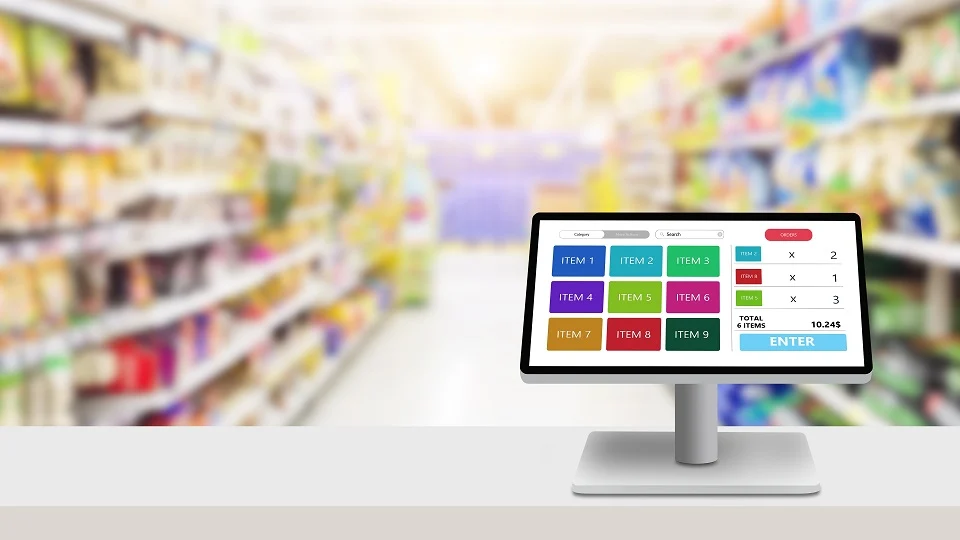
Get Simple, Hassle-Free Merchant Services with Low Rates
Fast, hassle-free merchant services with low rates, no commitments, and no application or termination fees.
About 20% of new companies fail before they have the chance to get off the ground. One of the main reasons why is that business owners can’t stay on top of their cash flow.
The best way to keep money coming through the door is to accept multiple payment options. That’s where the payment processing system comes into play.
These pieces of machinery allow companies to accept debit card, credit card, and ACH payments from consumers.
Depending on the type of system you invest in, you could also take inventory and perform other store functions on it. You only need to choose the right one. Continue reading to learn more.
Transaction Options
The first thing to consider when choosing a payment processor is the type of transactions you want to be able to accept.
If you own a restaurant and want to process takeout orders over the phone, you’re going to need a payment processing system that will allow you to enter a customer’s card information manually.
To take in-person payments, your system will have to accept both chip and magnetic strip cards.
Some people either hate taking their wallet into the store with them, or they forget it altogether. In both scenarios, they’ll ask if they can pay with their mobile phone.
By offering various payment processing methods, you’ll improve your overall cash flow and attract more customers.
Costs
Payment systems come with transaction fees, chargeback fees, monthly fees, setup costs, membership fees, and cancelation charges. While you shouldn’t pour too much money into your payment processor, you should try to keep costs as low as possible.
The best way to do this is to consider what kind of business you are. For example, If you own a large furniture store that takes a great number of high transactions, you’ll want to pick the payment system that comes with the lowest transaction fees.
Keep in mind that frequent high transactions could make you a high-risk business. This will come with naturally expensive high-risk merchant payment processing fees.
Holding Times
Holding times refers to how long it will take for money to appear in your business account after you make a sale. Even if the customer’s payment processes right away, it could take a few days for you to see the money. This is to account for chargebacks and refunds.
You can opt for a payment processing system that will allow for same-day deposits, but it will cost extra. Be sure to factor this into your normal monthly payments.
Point-of-Sale Capabilities
Many people think that payment processing services and POS (point-of-sale) systems are the same thing, but they are two very different machines. POS systems let business owners manage their inventory, create sales reports, and record payments. Many of them even allow for accounting integration.
This being said, there are some payment gateway systems that also have POS capabilities. Opting for it will come with added fees.
In some cases, you can integrate your already existing POS hardware into your payment processing system. You’ll need to make sure the two are compatible before you proceed.
Fraud Protection
There is almost no coming back from a data breach. If your payment system allows a fraudulent payment to go through, it could be the end of your business.
That’s why it’s crucial that you choose a payment system that offers quality fraud protection. Find a payment processing service that flags and rejects risky transactions.
They should also encrypt data during the time of the transaction and also encrypt any data that’s stored in your system.
Limits
Some payment gateways set a limit on the number of transactions that your business is allowed to process every month. Once you hit that limit, that’s it. You can’t process anymore.
For small businesses, this isn’t too much of a problem. For larger companies, however, it could put a plug in their entire operation.
Contracts
Tying yourself into a long-term contract with payment processing services should be avoided if you can help it. You want to be able to drop out of the service if you find it doesn’t fit your business model.
Most services charge on a month-to-month basis and don’t require businesses to sign a contract. If a business owner decides to no longer use the service, they can cancel their account with no repercussions.
Some services will allow for cancelations but charge a termination fee. You’ll need to find out where a service stands before you commit.
Customer Support
For some businesses, live 24/7 support may be overkill. For others, it’s a necessity.
If you run on extended business hours or take payments from everywhere around the globe, you’ll be glad to have the extra support in the event your system goes down. If your system glitches up and stops allowing you to accept payments at a big weekend event, you could lose out on a lot of revenue.
Choosing the Best Payment Processing System for Your Company
If you’re going to accept card and ACH payments, you’ll need to invest in a payment processing system for your business. Doing so will allow you to give customers multiple payment options, which is better for your overall cash flow.
Before choosing a system provider, you’ll need to look at their fraud protection options, customer support, holding times, and transaction limits.
While many companies tack on expensive credit card processing fees, you can rest easy knowing we don’t. That means you’ll get to keep all of your profits! Go here to complete your merchant request form!
How to Know if You Are a High-Risk Merchant

High-Risk Merchant Services
Start with a company you can trust. First Financial Merchant Services.
GET STARTED
Does your business run off a subscription-based model? Do you take in a large influx of expensive transactions? You might be classified as a high-risk merchant.
Being a high-risk business isn’t the end of the world, but it will make it more difficult to find payment processing options. This is especially true if you have a low personal credit score. Many account providers will turn you down due to fear of chargebacks and other negative reproductions.
Your business model is only one factor that will deter account providers. Check out this guide to learn for sure if you’re running a high-risk business.
What Is a High-Risk Merchant?
A high-risk business is one that credit card processing services and financial institutions deem likely to fail. While any company in any industry can be labeled as high risk, certain ones carry a more notorious reputation than others.
A high-risk business can still be successful, but it won’t have as many payment processing options as others. High-risk merchant account service providers charge these companies a lot more.
They have to meet stricter compliance requirements. Since these companies pose a higher risk for financial providers, they may have to put a portion of their profits into a rolling reserve.
Common High-Risk Industries
While the gambling and adult entertainment industries hold the highest record for being high-risk, there are others.
Most of these companies process expensive or high-volume transactions that are liable to chargebacks.
In the case of subscription boxes and gyms, people often cancel their memberships during times of economic uncertainty.
How to Tell If You’re Running a High-Risk Business
So, how do you tell if you have a high-risk merchant account? Again, the determining factor usually lies with your industry, but it’s not the only thing financial institutions consider.
They also look at your chargeback rate, personal credit score, transactions, sales model, and operations.
Chargeback Rates
One of the most common reasons why banks will label a company as a high-risk business is its chargeback rate.
Loan providers and payment processing services will determine if your company has a high chargeback rate by analyzing the behavior of your usual customers. If your employees spend most of their workday processing returns, there’s a good chance that you’re running a high-risk business.
The best way to reduce your chargeback rate is by implementing a strict return policy. This will make customers second guess investing in a product they either can’t or shouldn’t afford.
Questionable Products
Again, you may be considered high risk due to your industry. If you sell adult entertainment or drug paraphilia, some lenders may refuse to work with you for guilt by association.
Since the public perception of businesses of your nature is negative, lenders may not want to be seen supporting you.
International Operations in the US
If your company is located overseas, but you sell to customers in the US, there’s a good chance that you’ve been flagged as high risk. This is especially true if your country is notorious for credit card fraud.
Lenders will also look at the banking regulations in your country. If they’re relatively relaxed, that will be reason enough to consider you high risk.
Sales Model
There are some businesses that have questionable sales models. The ones that most people are wary of are MLMs. Half of them are a scam and the other half are questionable at best.
Even if your MLM is 100% legit, credit card processing companies may be hesitant to work with you.
Low Personal Credit Score
Before you open a business, you’ll need to work on your credit score. Having good credit will increase the chances of you getting approved for a loan that will help you get your startup off the ground.
You’ll also be less likely to get flagged as a high-risk merchant account. Business owners with low credit scores are thought to be irresponsible with their money. Payment processing services will assume they handle their business finances with the same care that they handle their own.
Large Transactions
Furniture stores, travel companies, and electronics stores all have one thing in common. They process expensive transactions every day.
After buying a new gaming console or couch, buyer’s remorse may set in. The customer will realize that they shouldn’t have bought the new item and return it. Too many chargebacks will result in the company getting flagged as a high-risk business.
Large doesn’t only mean expensive. Companies that process a high volume of transactions every day can also be considered high risk.
Subscription Businesses
Subscription businesses are their own special category. They’re almost always seen as high-risk.
Let’s say that you offer a month-long free trial. Chances are a large number of customers will forget to cancel their free trial, resulting in chargebacks and account suspensions.
Being a High-Risk Merchant Isn’t the End
Being considered a high-risk merchant can feel scary, but it isn’t the end of the world. While you won’t have as many payment processing and loan options, you’ll still have some.
We at First Financial believe that all merchants should have the chance for success. That’s why we approve almost 95% of all businesses, even those that are considered to be high-risk.
We offer plenty of secure online processing and debit card payment options. Go here to fill out a merchant services request form.
A Guide to the Different Types of Credit Cards

Types of Credit Cards
You’re on a quest for the perfect credit card, but with a sea of options, how do you choose the right one?
Fear not, financial adventurer, as we journey to uncover the unique features of the most popular types of credit cards. This article will be your treasure map, guiding you through the world of credit cards with ease and clarity.
By understanding the differences between these cards and their benefits, you’ll be well-equipped to make an informed decision and unlock the potential of your wallet. Let’s dive in and discover the card that’s perfect for you!
Standard Credit Card
A standard credit card is a simple, no-frills option for everyday use. It provides a line of credit that allows cardholders to make purchases and pay them off later.
While it doesn’t offer rewards or cash back, it helps build or maintain credit and handle unexpected expenses.
Paying off the balance each month is essential to get the most from a standard credit card. That’s how you’ll avoid interest charges and keep credit use low.
Rewards Credit Card
You can earn points or miles for every dollar you spend with a rewards credit card. You can redeem these points for merchandise, travel, gift cards, or cash.
Many rewards cards offer bonus points in specific spending categories like dining or travel. That makes them perfect for those with high spending in those areas.
To maximize your rewards, consider using the card for everyday purchases. And pay off the balance each month to avoid interest charges.
Secured Credit Card
A secured credit card is a savvy choice for those wishing to repair or build their credit. This card type requires a cash deposit as collateral, determining the credit limit.
Cardholders can improve their credit scores by using the card responsibly and making on-time payments. After demonstrating responsible credit behavior, upgrading to an unsecured card and returning the deposit is often possible.
Prepaid Credit Card
A prepaid credit card is ideal for those who want to avoid overspending and keep their finances in check. These cards require the user to load funds onto the card before purchasing.
No credit checks or interest fees are involved, but reward options are generally limited. Prepaid cards are great for budgeting. They help teach teenagers about money management and avoiding debt.
Balance Transfer Credit Card
If high-interest debt is causing financial stress, a balance transfer credit card can help. These banking cards allow you to transfer debt from one card to another, often with a low or zero-interest introductory period.
By consolidating debt onto a single card, you can save on interest charges and simplify your monthly payments. Remember that balance transfer fees may apply, and paying off the debt before the promotional period ends is essential.
Student Credit Card
Credit card providers design specific financial options for college students.
A student credit card helps young adults build credit while pursuing their education. These cards offer lower credit limits and rewards programs tailored to students’ needs. For example, cash back on textbooks or dining.
A student credit card can help someone establish good credit habits early on. But it’s crucial to avoid overspending and always pay off the balance on time.
Business Credit Card
Business credit cards are a valuable tool for entrepreneurs and small business owners. They offer benefits like higher credit limits, expense tracking, and rewards programs tailored to business-related spending.
Separating business from personal expenses makes managing cash flow and monitoring financial performance easier.
Additionally, many business credit cards offer bonus rewards. That might cover office supplies, travel, and advertising. It makes them an excellent choice for growing your venture.
Airline Credit Card
Frequent travelers can benefit from an airline credit card. This card rewards users with miles for their preferred airline. These miles can be redeemed for flights, seat upgrades, lounge access, and more.
Many airline cards also include perks like free checked bags, priority boarding, and in-flight discounts.
These cards can offer substantial savings for loyal customers. However, it’s essential to consider the annual fee, blackout dates, and any restrictions on redemption.
Cash Back Credit Card
Cash-back credit cards return users a percentage of their spending as cash rewards. These cards often provide a flat rate on all purchases or tiered rates based on spending categories.
Using a cash-back card for everyday spending can accumulate significant savings over time.
It’s important to remember that rewards should not encourage overspending. Cardholders should always pay off their balance each month to avoid interest charges.
Low-Interest Credit Card
A low-interest credit card is an attractive option for those who occasionally carry a balance or plan to make a large purchase. These cards offer lower interest rates than other credit cards, making them more affordable in the long run.
However, it’s essential to remember that low interest doesn’t mean no interest. Paying off the balance as soon as possible is crucial to minimize interest charges.
Instant Approval Credit Card
Instant approval credit cards cater to those who need access to credit quickly. These cards provide an immediate decision, often within minutes of applying.
Approved applicants receive a temporary card number for immediate use while waiting for the physical card to arrive.
Remember that instant approval cards may come with higher interest rates and fees. So it’s essential to read the terms and conditions carefully before applying.
Store Credit Card
Store credit cards are designed for loyal customers of specific retailers. These cards offer rewards, discounts, and exclusive offers for shopping at the affiliated store.
Some store cards also provide special financing options for larger purchases. These cards can offer substantial savings for frequent shoppers.
But you must remain aware of the potential drawbacks, such as high-interest rates and limited usability outside the store. Always read the terms and conditions to ensure the benefits outweigh the costs.
Find the Perfect Option for You With All Types of Credit Cards
Finding the right credit card can significantly impact your financial journey. Now that you’ve explored the most popular types of credit cards, it’s time to take action.
Don’t wait—visit First Financial today and browse our wide selection of credit cards tailored to your needs. Make the smart choice and elevate your financial game with First Financial.
The Pros and Cons of a Cash Advance Loan
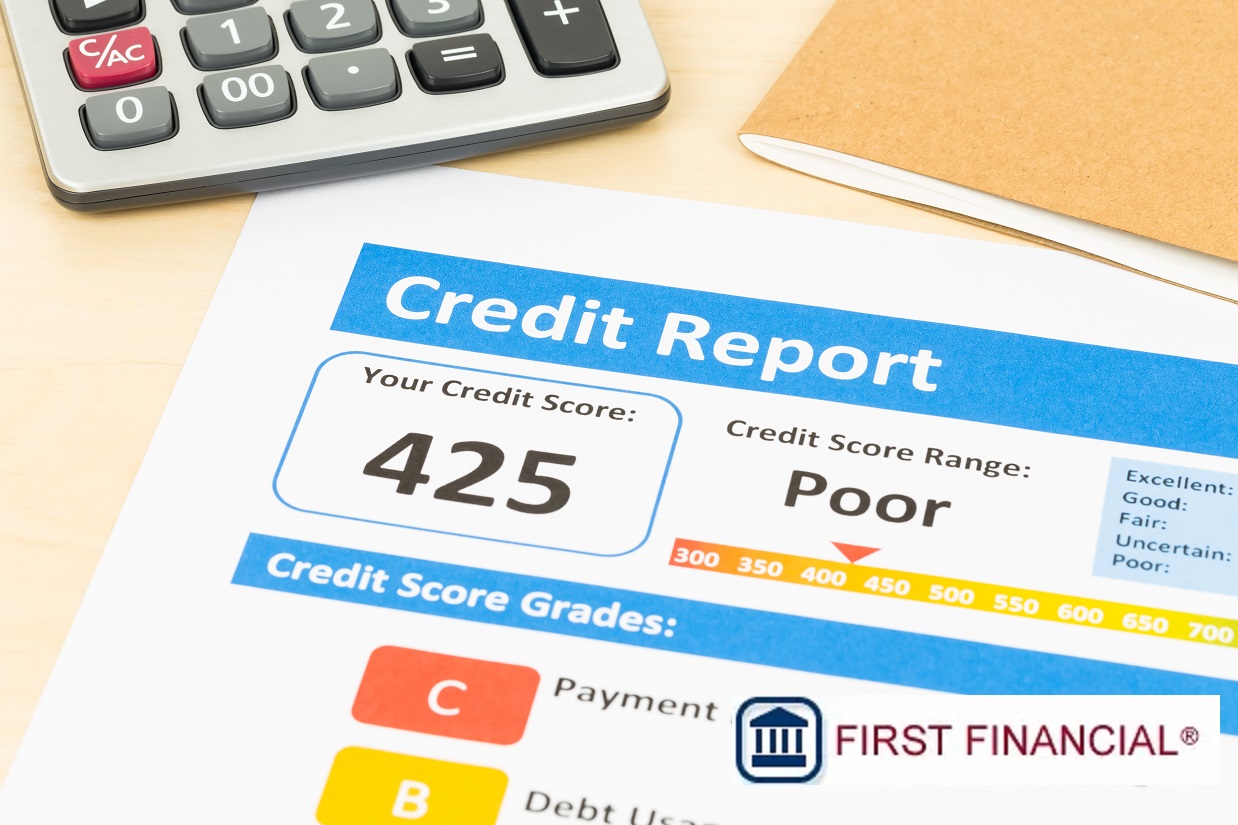
Get funds in as little as 24 hours!
Select get started and enter your state to see available offers.
About 33% of Americans now use cash advance apps.
You never know what life is going to through at you, and at some point, you might find yourself in a financial pinch. It’s good to have an emergency fund saved up, but if you need to get your hands on some money fast, a cash advance loan could be the best solution. They’re more widely available now than ever before, and easy for anyone to get.
In this guide, we’ll cover the basics of a cash advance loan, as well as the pros and cons of getting one. Keep reading for more.
What Is a Cash Advance Loan?
A cash advance loan is a loan that you can take out quickly and easily. You can find them from online lenders, and they’re a great solution if you need cash fast.
When compared to traditional loans that banks offer, cash advance loans are often a lot smaller. They tend to also have shorter terms, so they need to be paid back relatively quickly.
People usually get these loans when they need a sum of cash but don’t have the time to go through a standard loan application. At First Financial, we offer loans of up to $5,000, and you can have the money in your account in under 24 hours.
Pros of a Cash Advance
Cash advances have become very popular in recent years. Depending on your current situation, there are various benefits that could make a cash advance loan an ideal choice.
Fast Cash
The main benefit of a cash advance loan is that you can get the money you need fast. This is the main reason people tend to use them, and in most cases, you’ll get your money within a day of applying. A regular loan can take weeks or even months, so this is a much better solution if you need cash immediately.
No Credit Check Needed
This is another key reason that people go for cash advance loans. When requesting a loan from a bank or credit card issuer, they’ll want to do a credit check.
Not only will this affect your credit score, but they’ll expect your score to be a certain level. If it’s not high enough, they won’t approve your loan.
If you already have a low credit score, the last thing you need is to lower it further. Cash advance loans are less stringent, so they’re far more accessible to most people, and applying for one doesn’t harm your credit score.
Low Requirements
On top of your credit score, traditional lenders will have various expectations and checks before approving your loan. This often includes things like:
- Your net worth
- Your yearly income
- Collateral for the loan
- Origination fees
- Employer and income verification
- DTI (debt-to-income) ratio
When getting a cash advance loan, there are far fewer requirements. These can vary depending on the lender, and at First Financial, you just need a source of income (at least $800 a month), a bank account, and a valid email address. There’s no credit score requirement, so you just need to give us these details when you apply and we can get to work on sending you your loan.
Can Get You Out of a Jam
Some people apply for cash advance loans for things like holidays or cars so they can quickly get the money they need. Another reason, however, is for something unexpected.
If you suddenly have issues with your car, or an appliance in your home breaks, for example, you might not have the cash on hand to deal with things. You can take out a cash advance loan to pay for any repairs or other issues straight away, which could be ideal in a difficult situation.
Cons of a Cash Advance
While there are several benefits to cash advances, they are also some downsides. It’s important to consider these when looking at different loan options.
High APR
Perhaps the biggest disadvantage of cash advance loans is that they generally come with a higher APR (annual percentage rate) than other types of loans. These can vary a lot for all kinds of loans, so make sure you take a look at the details of the different choices available so you know what they are.
No Rewards
When using your credit card, there are various rewards that you might be able to get. This includes things like points, air miles, or cash. Credit works similarly to a loan, but often comes with bonuses like these.
When getting a loan, you’ll miss out on these extras. It’s worth remembering, however, that these credit card rewards aren’t the reason you’re applying for a loan in the first place, so they shouldn’t have a huge impact on your decision.
Interest Is Added Immediately
Depending on the options available, some loans won’t add interest from the start. With cash advance loans, however, interest is immediately applied. This is part of the tradeoff of being able to get access to your money so fast.
Finding the Right Cash Advance Loan for You
They’re not perfect, but a cash advance loan can be incredibly helpful. If you need cash fast, have a poor credit score, or don’t want to go through a standard loan application, a cash advance is a great solution.
First Financial offers cash advance loans to anyone that meets our basic requirements. You can apply for up to $5,000 and may be able to access the loan within 24 hours of your application. There’s no credit check—you just need to give us some basic details and we’ll be able to transfer the loan to your bank account.
Take a look at our Cash Advance page to see more details today.
What Defines a High-Risk Merchant?
 Long gone are the days when cash was the preferred form of payment. Around 33% of consumers use their credit cards to make a purchase. 38% of people opt to use their debit cards.
If you’re running an e-commerce business and accept credit/debit cards, you might’ve come across the term “high-risk merchant.” It can be intimidating if you discover that your company has been labeled as one. There are many reasons why a business selling a certain type of product might be considered a high-risk merchant.
This guide will discuss everything you need to know about high-risk merchants. We’ll also talk about what high-risk merchant accounts are and if your business needs one.
What Is a High-Risk Merchant?
A high-risk merchant is a physical or online business that sells products that fall into specific categories. These types of companies have a higher likelihood of fraud or chargebacks. Online businesses can fall into this category because they can’t physically see their customer’s credit cards and verify their identity.
Some industries that fall into the high-risk category include:
- Auto sales and warranties
- Alcohol
- Computer sales
- Charities
- Gambling
- Furniture sales
- Jewelry
- Pawn shops
- Subscription boxes
Many characteristics might label a business as high-risk. In addition to the qualities we mentioned above, some other features include:
- Large transaction amounts
- Recurring billing
- International sales
- Accepts foreign currencies
- No or poor credit history
- Non-existent or inadequate credit card processing history
There isn’t a universal standard or set of rules when it comes to determining if a company is high-risk. Each payment processor and bank abides by its own set of standards.
What Is a High-Risk Merchant Account?
High-risk merchant accounts are a type of bank account that’s set up by a payment processor. These accounts enable businesses to accept debit and credit cards even if they’re considered high-risk.
The money that gets collected during a transaction, minus processing fees, gets transferred to the business’s checking account. It typically takes 24 to 48 hours for the merchant to receive the funds.
High-risk merchant processing gives these companies the ability to accept debit and credit cards. If you fall into this category, you should explore payment processors that offer high-risk merchant services.
What’s Different About High-Risk Merchant Accounts?
High-risk businesses have a higher likelihood of their application getting denied by banks or payment processors. However, some organizations have more relaxed standards when it comes to accepting businesses. They might also be more willing to work with you by enforcing additional measures low-risk businesses don’t experience.
Payment processors and banks have many ways they can reduce their risk when working with these types of companies. There are also big differences between regular and high-risk merchant accounts.
High Processing Fees
Some payment processing companies might charge around 0.3% for a standard business. That fee could be as high as 1.5% for a high-risk merchant. It’s important to understand their fees before you partner with a payment processor.
Lengthy Application Process
A payment processor or bank might ask for additional information when you apply for an account. They’ll want to use this data to look at your past finances. The bank might be analyzing your risk profile.
Other details they might want to review include:
- Partnerships
- Personal credit history
- Your business’s payment processing history
Be as transparent as possible with the company. Show how much money you have moving through your business. Good cash flow can improve your approval chances.
Cash Reserve Conditions
Another thing to consider is that the payment processor might keep a reserve of a certain amount of cash for your business. Examples of this include:
- Capped Reserve: A certain amount of cash is set aside until the reserve reaches the pre-determined amount
- Rolling Reserve: A percentage is set aside for every transaction and you’ll receive the reserve after a certain date
- Upfront Reserve: The merchant pays a set amount to the processor up-front
You should get as many details about their cash reserve requirements before you sign a contract. You don’t want to have to provide a large amount of cash upfront if you’re not able to.
Volume Caps
Some credit card processing companies might cap how many transactions you have. This is because they believe that they might encounter more risk if you have a high volume of transactions.
Increased Chargeback Fees
High-risk merchants might also have to pay chargeback fees when they process a refund. These fees may be higher to offset the risks the processor encounters with excessive chargebacks. These fees can range from $20 to even $100 each.
What Can I Do as a High-Risk Merchant?
Don’t get discouraged if you’re considered a high-risk merchant. There are many things you can do to keep your business in good standing.
Lower Your Chargebacks
Many e-commerce businesses deal with a lot of chargebacks. This is especially true if you sell clothing or shoes.
Make sure your product description matches what you’re selling. Include a detailed size chart to ensure your customers purchase the right size. Reduce your chargebacks so you can lower the related fees.
Get Healthy Cash Reserves
Many banks and payment processors want to see that you have healthy cash levels. Having a high amount of cash on hand shows them that you’re financially stable. You’ll increase your chances of getting approved at a low fee rate.
Be Honest
As we mentioned earlier, being transparent is key. Give the payment processor all the documents and information they need during the application process. Doing so will show them that you’re a credible business that they’ll want to work with.
Partner With a Reliable Payment Processor
Being labeled as a high-risk merchant doesn’t have to be the kiss of death for your business. Being proactive and doing research will ensure you get approved by a reputable payment processing company. Look for payment processors that work with businesses like yours to ensure you receive tailored services.
First Financial works with high-risk merchants, providing them with financial and payment processing solutions. Should you need help applying for a loan or other banking matter, we’re here to assist. Contact us to learn more about our services.
When to Start Investing for Retirement (And How to Choose a Plan)

A recent survey showed that 70% of retirees would have advised their younger selves to save money sooner. Investing for retirement can feel pointless when you’re building a career and living week by week. But everyone deserves to live out their older years with financial security and freedom.
Retirement planning gives you more peace of mind and helps motivate you to keep working towards a new chapter in your life. Plus, it’s essential to think about retirement planning, as unexpected health costs can arise as you get older.
No matter your financial situation, this article will give you tips to invest in retirement and protect your future.
Is Investing for Retirement Worth It?
Investing for retirement is the best way to calm your nerves about the unknown. No one knows what could happen several years from now, so the only way to prepare is to take preventative measures. For example, it’s impossible to work forever, so you need to think about a time when making an income is not feasible.
Even if you stay in remarkable health until old age, there are restrictions to your quality of life if you don’t plan ahead. You can lose out on new trips or treating yourself to nice meals.
By law, the government offers social security to people past a certain age. You’ll likely receive a small amount every week if you pay social security. This is typically not enough to survive on a high quality of life, and you want to think about putting money aside before then.
If you plan with your own money, you have more freedom over traveling expenses, household items, and making memories with loved ones.
For people with younger family members, the responsibility of covering expenses will go to them if you don’t have adequate retirement funds.
The best investment for retirement will vary from person to person. It’s important to consider your priorities and what you want in retirement. Then, you can assess the options and find a solution that works for you.
How To Start Investing in Retirement
It’s never too late to think about retirement planning as long as you examine your finances and start a plan. Firstly, you should estimate how much money you’ll need for retiring and the timeline for reaching that saving goal.
Break down your income needs into two separate categories such as essential and non-essential costs. The essential section will include the living expenses like rent, food, clothes, heating bills, and general house maintenance. In the non-essential list, you must include hobbies, day trips, eating out, and leisure activities.
Even if your interests change over time, this estimate will give you an idea of how much you’ll need for this phase of your life.
If you want to retire in a different part of the world, it’s good to outline the cost of moving and other traveling expenses in your retirement.
Look at Income Options
Most people stop working as they reach their senior years, but it’s still possible to make money through passive income streams. This could be a real estate investment you made in your early 30s or a side business. Exploring the different investment options that can contribute to your retirement plan is good.
Some of the most common investment options besides real estate are stocks and bonds. But other options like Bitcoin can offer solutions to income worries.
A retirement IRA is a saving method created through traditional banking institutions. You can put money into these pots without tax and have a separate banking system for your retirement money. It’s an excellent way to keep track of your income when you’re young and avoids thinking about retirement.
Simply set up a retirement IRA and let the money build up over the years.
For people who want an alternative to traditional retirement IRA, you might want to consider a Bitcoin IRA. This allows you to invest in cryptocurrencies and maintain financial stability using technology.
Select a Retirement Plan
After you’ve researched the methods of making money in retirement and assessed your lifestyle expenses, it’s essential that you pick a plan. Always put your financial goals as a top priority when looking for retirement options, as it’s important to have control over your income streams.
Ask employers for more information on your retirement scheme if you already have one. Or, look at resources online to find reliable and trustworthy retirement schemes. Reviews are a good place to look when assessing which company is the right choice.
Hiring a financial advisor is possible if you handle large amounts of money from several places. This gives you an overview of where to save and if there are areas worth more investment.
Starting is the most challenging part when you begin financial planning and have no idea where to start. You’ll discover more tips and tricks as you start looking over your income records. So, it’s vital that you take those first steps and focus on creating a plan.
Automating monthly savings into retirement accounts is a great way to minimize the time spent dealing with transfers and juggling bills. Instead of organizing savings and checking numbers, this system moves your money on the same date every month.
When you have a retirement plan, it gives you more time to spend living in the present moment. And when you retire, you’ll be happy you took the time to think about how you’re going to make the most of your older years.
Future Retirement Planning Starts Here
Investing for retirement is the key to happy, long life. It avoids putting pressure on loved ones to cover your life expenses when you get older. And it helps you make clear decisions about your finances when you’re younger.
Being cautious about spending now means you have more funds to take adventures and make new memories in the future.
Our retirement IRA option is ideal for people who want to embrace technology and invest in their quality of life.
Find out more here about our retirement plans.


