

First Financial
How to Effectively Shop Around for the Best Payday Loan Interest Rates
Get funds in as little as 24 hours!
Select get started and enter your state to see available offers.
You have had some financial mishaps lately and now you are in a bind. With a quick infusion of cash, you would be able to stabilize your finances enough to get back above water.
But how do you know if you are getting the best payday loans interest rate or not? Just because you are in an emergency situation doesn’t mean that you shouldn’t do your due diligence and try to get the best interest rates for your payday loan.
Keep reading to find out how you can do this.
Don’t Dismiss Online Lenders
Too many folks are a bit wary of getting payday loans from online vendors since they worry about unscrupulous lenders who are just out to scam unsuspecting people. But this could result in you dismissing the best payday loaners that are only available online.
If you only focus on the payday loaners who are situated around you in your neighborhood or city, then you could be doing yourself a disservice by not finding the best interest rates for your loan.
Remember that even a 0.25% difference in interest rates can make a huge difference in the time it takes you to pay back the loan and the amount of interest you pay through the term of the loan. Why pay hundreds of dollars more in interest charges when you don’t have to?
Online lenders are also sometimes more competitive than offline ones because there is so much competition in the online payday loan business that they have to have better offers to entice customers. They might give you better interest rates and also better loan terms in general.
Shop Around
Don’t forget that interest rates on payday loans aren’t governed by or affected by the Federal Reserve like mortgage rates or prime rates are. That’s why you get quite a variation in the interest rates presented to you by all the lenders on your shortlist.
You will be surprised at how much of a difference in interest rates you will garner just by shopping around a bit and comparing the various lenders available on the market.
Take your time with this. Even spending a few hours on this comparison shopping can result in a huge boon for you.
Yes, you might be in a rush to get a payday loan so you can stave off your creditors and other people hounding you to get their money back. But keeping a cool and calm head during this time will ensure you do the proper research and find the perfect payday loaner for you with the best interest rates.
This is another reason why you should be looking at online payday lenders as well as offline ones. It’s much easier to shop around for lenders online, as many of them are just a Google search away. And you can go on their websites and apply in a matter of minutes for a loan without worrying too much about fees or other issues.
Read the Fine Print Carefully
No one ever reads the fine print or the terms or conditions included within contracts, right? Well, that might be true if you buy a $400 camera or a $1000 bicycle. But when it comes to getting payday loans, reading the fine print is crucial.
Don’t be caught unawares later because you didn’t read all the loan terms properly and then had to pay a heavy fine for some minor misdemeanor.
There are going to be lots of little details on the agreement that you will want to comb through and ensure you are fine with. For example, lots of payday loaners will charge you for paying back your loan sooner than the loan term dictates.
If you know that you have some money coming in soon and you can pay off the loan faster, then you want to get a personal loan that doesn’t have such a strict stipulation.
Other things to focus on when searching through payday lenders are:
- Loan duration (shouldn’t be longer than necessary)
- Representative APR (aka interest rates)
- Loan amount (don’t take out more than you need)
- Repayment options (installments or lump sum payment)
Weigh all these options and pick the one that works best with your particular scenario. Everyone is going to be different in this regard, so what suits a friend or colleague of yours might not necessarily work for you.
Sometimes a Good Deal Isn’t That Good
Don’t get fooled by all the marketing gimmicks that online and offline lenders are always touting. Even if they say that they are the lenders with the best rates or the greatest deals, don’t believe them. They might be trying to sell a particular product to you that’s not suited to your specific situation.
As always, if a deal seems too good to be true, be wary and do a bit more digging into the fine print and the loan terms. There might be something you are missing or some important detail they are not sharing with you about the loan.
Better to stay away from such deals and go for something a bit more middle-of-the-road.
Payday Loans Interest Rate – Find the Best One for You
Financial troubles can make anyone’s logic go out of the window and result in bad decision-making all around. But if you don’t want to be stuck in a vicious cycle of loans and high-interest rates, then it’s important to find the best payday loans interest rate for you before committing to anything.
Find a company you can trust like First Financial and get a loan of $5,000 in as little as 24 hours. Don’t let a gap in funding result in financial strife for you and your loved ones. If time is of the essence, you can rely upon our personal loan services.
Buying Smart: Easy Finance Hacks for Homebuyers

Buying Smart: Easy Finance Hacks for Homebuyers
When it comes to buying a property, knowing is half the battle. In fact, with the right tips and tricks. You can often save serious money on your purchase and ongoing rates. Today, First Financial explores a few of the lesser-known strategies to help you save money throughout the process.
Federal Housing Loans
Depending on your background circumstances it’s sometimes possible to receive support. Sometimes from the Federal Housing Administration (FHA) in the form of a loan. Unlike traditional lenders, FHA loans allow those with credit scores of 580 or above to pay as little as 3.5 percent on their down payment. FHA-approved lenders insure mortgages on single-family homes, multifamily properties, residential care facilities, and hospitals. Before applying, be sure to carry out research and ascertain the average down payment in your target area or percentage of homes that sell under their list price.
Seller’s Assist
When it comes to purchasing a property, many buyers aren’t aware of the option to ask the seller to pay a portion of the closing cost, and this can stretch to as much as 6%. This could allow you, the buyer, to save thousands of dollars on a purchase and increase your long-term ROI. To explore the option, check the seller’s assist option against your mortgage product – this is also a great opportunity to research the mortgages themselves and determine how much you can afford and which advantage you have. Typically, lenders will compare your credit score, current income, and employment against the amount you want to borrow.
Additional Finance Hacks for Homeowners
Cash-Out Refinance
If you’re looking to lower your rate, cash-out refinancing could prove to be a viable option for you. This replaces your current home loan with a bigger mortgage, thereby allowing you to take advantage of built-up equity and access the difference between mortgages. This cash can then go towards any purpose, such as home remodeling or consolidating high-interest debt.
Tax Saving
It’s often possible to save money on taxes when purchasing a home if you offer less than the advertised home appraisal price. Via this method, you can often get your taxes lowered to match the purchase price rather than the appraisal price. Although you won’t save cash on the purchase itself, you will save on taxes per year. Just remember, when filing your taxes, interest and property taxes are deductible and can be claimed for savings.
Getting a Home Warranty
You should also consider protecting your home with a home warranty, which covers the repair costs to major appliances. You might be asking yourself, “Is a home warranty worth it?” Bear in mind that the cost of repairing a broken A/C can cost upwards of $5,000! So investing in a home warranty can definitely save you money in the long run, should any such repairs become necessary, whether that’s a busted A/C in the winter or a broken down furnace in the winter.
Tips for Homeowners
Side Hustles
Many home buyers are unaware that, when it comes to a mortgage application, having a part-time job (or a ‘side hustle’) can help you to qualify. Typically, the borrower must show two-years of history working all jobs simultaneously and will request W2s from each employer. Make sure, however, that you do not enter into a second job too close to the date of your application, as this may be considered a risk to your monthly mortgage payments.
Credit Score Tune-Up
If you want to secure the best rate possible, it’s important to enter into the process with a good credit score – this can save you thousands of dollars over the lifetime of your loan. In the lead-up to your application, you can boost your score by paying down debts, increasing your credit limits, disputing errors, and more.
For most of us, buying a house is amongst the biggest investments we’ll make in our lifetime. Regardless of if it’s your first time, it’s important to enter into the process armed with the right information and a few handy hacks to boot, whether that pertains to investing in a home warranty or monitoring your credit score.
First Financial is committed to helping our clients do more with their money and get more out of life while helping them protect their financial futures. Call 800-315-7791.
A Guide to Starting a Green Business
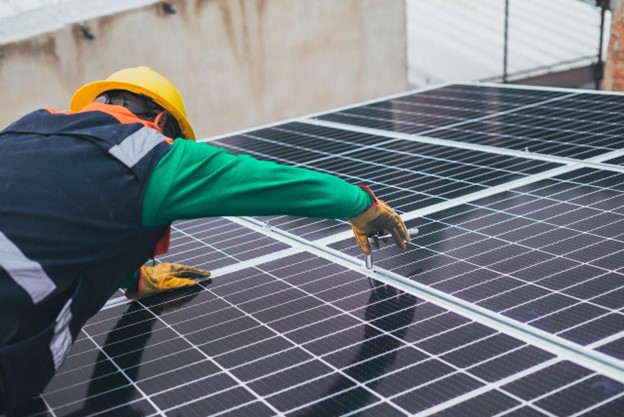
A Guide to Starting and Growing a Green-Building Business
If you’re looking to start a business in the green-building industry, you have come to the right place. The green-building industry is booming, as more people are becoming increasingly aware of the importance of sustainable construction practices. Many factors need to be taken into account when starting and growing a green-building business. Including drafting a proper business plan to finding the right staff and investing in the right software. Dive into the details with this helpful guide from First Financial.
Business Plan Essentials
The first step to starting a successful green-building business is drawing up a comprehensive business plan. While it may seem like an unnecessary step, having a clear vision for your company will help guide you through every decision you make along the way. Your business plan should include objectives such as profitability goals and growth strategies as well as financial projections and market analysis. It should also detail what type of services your company will offer, who your target customers are, and how you plan to reach them.
Networking and Marketing
Starting a green-building business requires networking with potential clients and partners who can help you get off the ground. Attend industry events to meet potential clients face to face, or join professional organizations that bring together professionals from all areas of the green-building industry.
You also need to think about marketing — what kind of messaging do you want to put out there? Utilize digital marketing channels like social media, email campaigns, and SEO optimization so that potential customers can find your website easily on search engines like Google or Bing.
Finding Staff and Registering Your Business
To grow your green-building business, you will need reliable staff with experience. Peoplein the construction industry who share your values when it comes to sustainability and eco-friendly practices. This could mean hiring full-time employees or working with contractors on specific projects. it all depends on what works best for your company’s needs. When hiring employees, make sure they understand that being environmentally-friendly should be part of their job description!
Additionally, registering your green-building business with state authorities is necessary before any work can begin. This ensures that all legal requirements are met before contracts are signed with clients.
Investing in the Right Software
Once everything else is set up, investing in builder business software can help streamline processes. Estimating costs, creating contracts for projects, tracking progress on job sites, and billing customers accurately. All while keeping track of customer data securely in one central location. This type of software will save time and money for both you and your clients. Automating tasks that used to be done manually or by reducing paperwork associated with certain tasks, like invoicing or submitting bids for new projects. With this software, you’ll be able to quickly and efficiently create estimates. View projects with details that are kept in one central location. It even makes project management tasks such as job-site tracking easier and more efficient.
If you aren’t ready for a complex program like builder business software, consider this option: construction takeoff and estimating software. With this tool, you’ll be able to add material and labor costs to all of the estimates you’ve sent to (or are in the process of putting together for) your clients. You’ll also be able to collect online payments with it which simplifies paying off invoices. This ensures your customers and ensures you get paid accurately and more quickly.
Finally, connect with First Financial about our Merchant Services. We make it easy for you to collect credit card payments (of both the plastic and phone app varieties) so you can securely collect the fees you’re owed without hassle for you or your clients.
Starting a green-building business has its challenges, but if approached properly, these challenges can be overcome with relative ease. By taking into consideration all aspects — from drafting up an effective business plan to finding the right staff and investing in software solutions — you can build a successful enterprise within this ever-growing sector!
Is Taking Out a Personal Loan a Good Idea?

Is Taking Out a Personal Loan to Pay off Credit Cards a Good Idea?
If you have credit card debt, you are in good company. Studies show that the majority of Americans have some form of credit card debt. And 14 million Americans have five figures or more worth of debt from credit cards alone. Have you considered taking out a personal loan to pay off credit cards? Personal loans often have lower annual percentage rates (APRs), meaning you’ll pay less on the money you borrow. Yet, there are also some drawbacks to using personal loans to eliminate debt from credit cards. For example, you may not qualify for a personal loan APR that is lower than the rate you pay on your credit cards.
In this guide, we will tell you all the pros and cons of using loans for credit card debt. Plus, we’ll give you tips for paying down credit card balances if you don’t qualify for an affordable loan. Keep reading to learn more.
Taking Out a Personal Loan to Pay Off Credit Cards
In 2023, the average interest rate on credit cards is a little bit over 20%. This is an average, so some credit cards have lower APRs, and others have higher interest rates. On average, personal loans have lower interest rates than credit cards. In 2023, the average is around 10–20%. The exact rate you will pay on a personal loan depends on various factors, including:
- Your credit score
- Your annual income
- Your debt-to-income ratio
- Your employment status
Other factors, such as the term period on your loan and whether you take out a secured or unsecured loan, also play into your APR.
The Benefits of Paying Off Debt With Loans
A personal loan is one of the best solutions for paying off credit card debt in 2023. This is especially true if you can find an affordable loan (more on this later). Benefits of using loans for credit card balances include:
- Personal loans have lower APRs than credit cards
- You can pay off all your credit cards with one loan
- You only have to make one monthly payment going forward
These last two advantages only apply if you use your personal loan to pay off all your credit cards. We don’t recommend taking out a loan to pay off one credit card if you carry debt on multiple lines of credit.
The Disadvantages of Using Loans for Debt from Credit Cards
Of course, all these benefits can not come without some drawbacks. The following disadvantages of personal loans could make this option less attractive for certain borrowers:
- You may pay higher fees on personal loans
- You may not be qualified for a lower personal loan APR
- You may end up with more debt than you started with
The first two issues primarily occur when you have no credit, poor credit history, or a low credit score. The third con happens when people use loans to pay off debt but continue using their credit cards while paying on the loan. Luckily, financial institutions like First Financial offer personal loans for people with poor credit.
Other Solutions for Paying Off Credit Cards
So, what if you do not qualify for an affordable loan? In that case, the goal is to pay down your credit cards as quickly as possible. Why? The faster you pay down your debt, the less you forfeit in interest. Here are the top ways to do just that.
Stop Using Your Credit Card for Purchases
The first thing you should do is stop swiping. Use credit cards for emergencies only until you pay off your debt. Also, start thinking about what you will use your credit card for once you pay off your debt. Experts recommend reserving credit for the following big-ticket purchases only:
- Electronics
- Appliances
- Travel
Often, larger credit card purchases come with interest-free periods. For example, you may have six months to pay off your purchase before you’re charged interest.
Use Debt-Canceling Strategies
As we mentioned, credit card debt is extremely common in the US. Financial experts have come up with many strategies for eliminating credit card debt quickly. Some of the most effective strategies are:
- Paying off high-interest debt first
- Paying off the credit card with the lowest balance first, then add that monthly amount to pay down the next lowest balance
- Paying more than the monthly minimum balance
You can also come up with your own debt-canceling strategy based on your unique needs. The best strategy for you is the one that gets your balances paid down the fastest.
Do a Balance Transfer
Another idea to consider is a balance transfer. Many credit card companies allow you to transfer all your outstanding credit card debts to a single account. Often, balance transfers also come with a preliminary grace period where you don’t have to pay any interest on your balance. However, you may have to pay a fee on the balance you transfer. So, this solution may not be best for people with significant credit card debt.
Looking for Affordable Personal Loans and Credit Cards?
Taking out a personal loan to pay off credit cards can be a great way to get out of debt. But keep in mind that some people may not qualify for a personal loan without a good credit history. Are you searching for a personal loan you can qualify for? First Financial is on a mission to provide personal loans to borrowers just like you. Click here to get started on your loan application!
What Is APR?
What Is APR? Your Guide to the Cost of Borrowing Money
In 2023, the average credit card holder pays an APR of 23.39%. According to LendingTree, that is the highest APR recorded since at least 2019. But what is APR exactly? And how do you secure a loan or credit card with the lowest possible APR? We will explain the answers to these questions and more in this complete guide to how APR works.
What Is APR?
APR stands for annual percentage rate. In simple terms, it is the total cost you pay to borrow money. APR applies to both credit cards and loans, but how you calculate credit card APR vs. loan APR differs. Credit card APR is simple to calculate. It is equal to the interest rate a lender charges you for carrying a balance on your card. If you pay off your credit card in full each month, you do not have to pay interest. Loan APR is different. It equals the interest rate on the borrowed amount plus any additional costs. These costs may include lender fees, broker fees, and other fees that depend on the loan type.
How Do Lenders Determine APR?
Interest rates may help determine APR, but how do lenders determine the interest rate on a particular loan or credit card? Aside from prime rates and funds rates, lenders also consider the prospective borrower’s creditworthiness.
If you want a better rate on your next loan or credit card, pay attention to the following important factors.
Credit Score
Someone’s credit score is an excellent indicator of their credit history. And lenders will base their beliefs about your ability to repay a loan on your past behaviors. In general, there are five factors that go into a credit score:
- Payment history (how often do you make payments late or not at all?)
- Credit utilization (how much you owe as a function of how much you borrow)
- Credit history length (how long have you had credit cards and loans?)
- New credit (how many accounts you’ve opened recently)
- Credit mix (how many different types of loans and credit cards do you have?)
Payment history and credit utilization are the most important factors here. Combined, they make up 65% of your total credit score. New credit and credit mix make up the lowest percentage of your score at 10% each.
DTI
DTI stands for debt-to-income. It is a ratio of an individual borrower’s monthly debt payments to monthly income. Lenders use this ratio to identify how much debt a potential borrower can afford to take on. For example, say you pay $2,000 per month on your credit card, mortgage, and auto loan combined. Say you also bring in $3,000 per month. In that case, your DTI equals about 66.7%. In 2023, lenders typically prefer a DTI of 36% or less. The highest DTI most lenders will accept from prospective borrowers is 43%.
Loan Type
Some lenders charge higher interest rates based on the type of loan. In these cases, the higher rate is not necessarily due to the borrower’s creditworthiness or lack thereof. It is due to the bank’s perceived risk. For example, secured loans naturally have lower interest rates. Secured loans include auto loans and home loans (mortgages). We call them “secured” because the lender can take your home or car if you default on the loan. On the flip side, unsecured loans tend to have higher interest rates to offset the lender’s risk. Risk on unsecured loans is higher because the lender has no way to make up for its losses if you default. Unsecured loans include personal loans, payday loans, and other loans for which you do not need collateral to qualify. Credit cards are sometimes considered unsecured loans, too.
Types of APR
When you take out a new loan or line of credit, your documents may include multiple types of APRs. Each of these APRs may have a different rate, too. Confused? You are not alone. Learn more about the most common types of APR you may come across.
Credit Card Purchase and Cash Advance APR
Purchase APR is the interest rate you pay on individual purchases. This type of APR only applies to credit cards. Cash advance APR also applies to credit cards only. It is the interest rate you pay when you use your credit card to take out cash.
Introductory APR
Introductory APRs are common with many credit cards. You get a low, often free interest rate for a preliminary period after you open a new line of credit. Some credit cards also come with promotional interest-free purchase periods. For example, spending a certain amount can trigger a promotional APR. You do not have to pay interest on the purchase until the promotional period expires.
Penalty APR
Penalty APRs can apply to both loans and credit cards. This APR is typically higher than your regular interest rate and fees. You may have to pay this higher rate if you are delinquent for more than 60 days.
Variable and Fixed APR
Variable and fixed APR typically applies to loan rates. A fixed APR loan has an interest rate that does not change over time. Variable APR loans have interest rates that do change throughout your loan term. The APR on a variable-rate loan depends on the prime rate in the US. The Prime rate is the benchmark lenders use to set interest rates on credit cards and loans. The US prime rate is based on the Federal Reserve’s funds rate. The prime rate is 7.75% as of this writing. To see how much variable interest rates can fluctuate, consider the prime rate this time last year. The rate was 3.25% at the beginning of 2022, more than a 2x increase year-over-year.
Looking for Low Credit Score Loans and Credit Cards?
So, what is APR? APR stands for annual percentage rate, and it is the total amount you end up paying when you take out a loan or line of credit. The APR you must pay depends on your credit score, debt-to-income ratio, and more. Do you have low creditworthiness? If so, you may be searching for a provider to help you qualify. Learn more about First Financial’s product offerings for borrowers like you and apply today!
Changing Your Mindset About Money to Improve Your Life
Changing Your Mindset About Money to Improve Your Life
Money is a big part of our lives, and it can be hard to change your mindset about it. But if you want to improve your overall life, then you need to rethink how you view money. In this blog post, First Financial® looks at some of the ways you can start changing your mindset about money and improving your overall life today.

How You Really Feel About Money
It’s important to understand the emotions that are attached to money. Acknowledge them and then take steps forward in a positive direction. This might entail Starting a Bitcoin Savings Plan at First Financial® or coming up with a plan for budgeting and saving. It will also mean being honest with yourself about debt and taking steps to pay it down.
It’s Not a Competition
It’s natural to compare ourselves with others, but it’s important not to focus too much on the financial success of other people. Instead, focus on making progress in your own life by setting goals, staying disciplined, and working hard towards achieving them.
A Business Can Be the Key to Financial Freedom
If you’re looking for a foolproof way to increase your income, consider starting a business venture and forming it as an LLC. This will give your business legal protection from liability, as well as tax advantages that will help save you money in the long run. Plus, an LLC will give potential customers more confidence in doing business with you.
Increasing Your Earning Potential
There are also steps you can take to increase income in your career. If you’re looking for a new job that pays more, start by creating an impressive CV. Make sure your most bankable skills are highlighted, as well as any awards or certifications you may have. Most importantly, make sure your CV is easy to read and understand so that potential employers can quickly get a sense of who you are and what you bring to the table. You can use a tool to create your template for a CV — a free, easy-to-use online option is a good place to start. You’ll be able to quickly customize your CV to show off your qualifications and help you stand out from other candidates.
Another way to improve both your earning potential and career prospects is by earning an online degree from an accredited institution. There are numerous online programs available today at different price points, depending on what kind of degree you want to pursue. Education can open doors for career advancement.
Practical Savings Tips You Need Today
Saving money doesn’t have to be complicated — it simply requires discipline. Here are some tips to try:
- Set up automatic transfers into savings accounts each month so that saving becomes second nature.
- Try using cash envelopes where only specific amounts of cash can be spent on certain items.
- Create budgets detailing exactly where every dollar should go.
- Use apps to track your spending habits.
Changing your mindset about money takes time, but it’s worth it as it can improve every aspect of your life. Start by understanding the emotions surrounding money, then find ways to increase income potential. And don’t forget to save! With patience, dedication, knowledge, and consistency, you, too, can change your financial future for the better.


